
Exhibitions
Saturday, 01.08.20
This Sex Which is Not One*
Group Exhibition
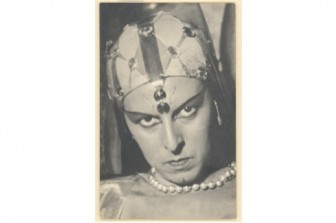
The trans-feminist movement addresses feminist issues from a transgender perspective. Similarly to other third-generation feminist movements, trans-feminism often examines the effect of body image and the oppressive and destructive power of the binary gender conception.
Saturday, 01.08.20
Hybrids, Creatures of Wonder
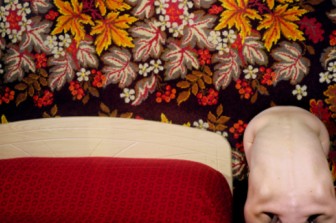
This exhibition explores the world of the hybrids as an alternative existence reflecting the fluid, unstable, and complex identity of woman in the contemporary cultural discourse, as described by prominent feminist thinkers such as Rosi Braidotti and Donna Haraway. In this context, the idea of the "nomad," used by Braidotti, is another name for the feminine.
Saturday, 01.08.20
Fighting their Fate
Group Exhibition
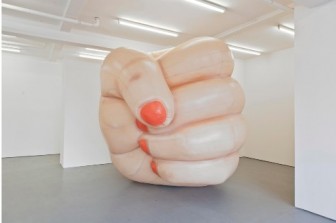
This exhibition seeks to examine the symbolic representations of women in the context of oppressive power mechanisms in the contemporary global age. These representations are often considered in contemporary feminist thought, which seeks to change fundamental structures in the relations between the sexes. This contemporary feminist approach is based on a radical critique arguing that the man/woman dichotomy legitimizes the socio-political disempowerment of women.
Saturday, 01.08.20
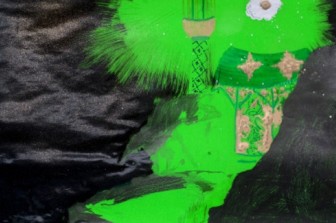
The Blazing World*
Group Exhibition
When we try to imagine a world that is not based on Western gender conceptions we are in fact treading in the realm of science fiction; since we must imagine a society and a history entirely different from those we have known for centuries.
Saturday, 01.08.20
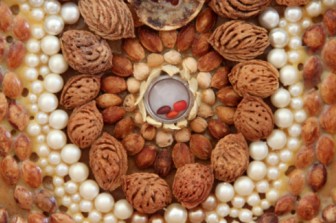
The Mother Goddess
Group Exhibition
In this exhibition, a common thread connects between miniscule, prehistoric clay figurines dating from 8,000 years ago, found at the Sha'ar HaGolan archeological site; medieval images of women inspired by Tarot cards; and the works of four contemporary Israeli women artists.
Saturday, 01.08.20
Curator: Michal Shachnai Yakobi
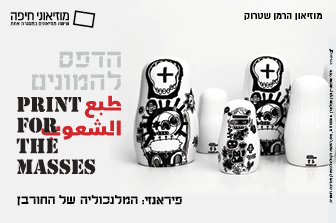
"Print for the Masses" and "Piranesi: The Melancholy of Destruction"
Today print has become a diverse medium that combines traditional printmaking with new materials and production methods. Digital technologies, for example, have been swiftly integrated into the printmaking process, while traditional techniques have come to rely on photocopiers, fax machines, and inkjet printers. These new technologies have not made other methods obsolete, but rather have expanded the range of options and possibilities in the print medium.
Monday, 19.10.20
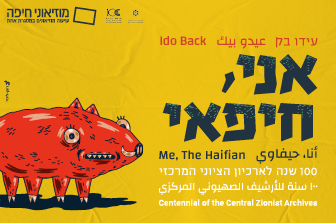
"Me, the Haifian"
In honor of the CZA's centennial, a number of exhibitions in museums throughout Israel will present materials kept in the archives. The Haifa City Museum has chosen to focus on the collection of Haifa posters and broadsides preserved in the archives. The collection affords an opportunity to learn about daily life in Haifa, about the different ideologies that characterized different periods in the life of the city, and about local graphic designers and printing houses.
Saturday, 19.06.21
A Different Perspective on the Collection
Registrar’s Choice
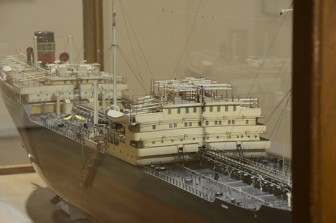
The National Maritime Museum’s collection began nearly 70 years ago. Over the course of this time thousands of items have been collected, and it is always interesting to learn about a particular work’s history, such as how it came to be in the collection.
Saturday, 07.05.22
"Meirav Heiman"
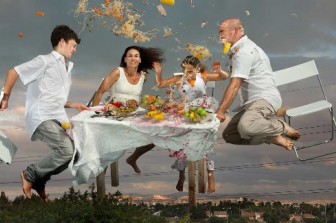
Meirav Heiman focuses her attention on the gaps between the ideal and the concrete, the virtual and the real, the personal and the anonymous, aiming to subvert the fantasy of the consecrated institutions of marriage and family. In most of her works she uses accessories, stylized design, grotesque elements, humor, and exaggeration in an attempt to simultaneously convey familiarity and alienation. In her words, she is interested in "rituals that have become mechanical and in distorted body language, which intensify feelings of loneliness and disconnection."
Monday, 17.05.21
Please contact us and we will contact you as soon as possible